

Is our culture keeping us from talking about what's important?
Brian Simpson, PhD, argues that the coping tools responders build to survive the job also make it hard to talk about what the job does to them. He says new mental health resources cannot change a culture that treats silence as strength. Formal and informal leaders have to speak first, he writes, about what they have been through and what has helped.

The Unwritten Rules of Baseball and Firefighting
Brian Simpson, PhD, compares baseball’s unwritten rules with the ones that run the firehouse, from where people sit to why members play through pain. He gives officers a simple test for each rule: does it make the crew better at the job, or does it only protect someone’s position? He argues that an officer who stays silent is making a leadership decision, and that the rules need to be said out loud.

The Vital Importance of Perspective in Public Safety Leadership
Brian Simpson, PhD, applies a fireground habit to leadership off the fireground: when in doubt, zoom out. He explains how stepping back helps incident commanders see hazards that people in the task miss, and how the same distance helps leaders judge workplace frustration more fairly. He argues that leaders who want better organizations must first control their own emotions and egos.
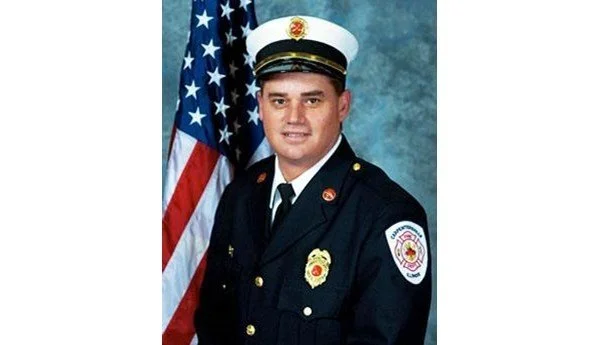
Even small traditions can help us remember the ones who came before.
Brian Simpson, PhD, remembers a battalion chief whose quirks became crew traditions, and explains how those customs outlived the man. He argues that small traditions keep a department’s memory and give its members a sense of belonging. He asks leaders which customs shape their own crews and where those customs came from.
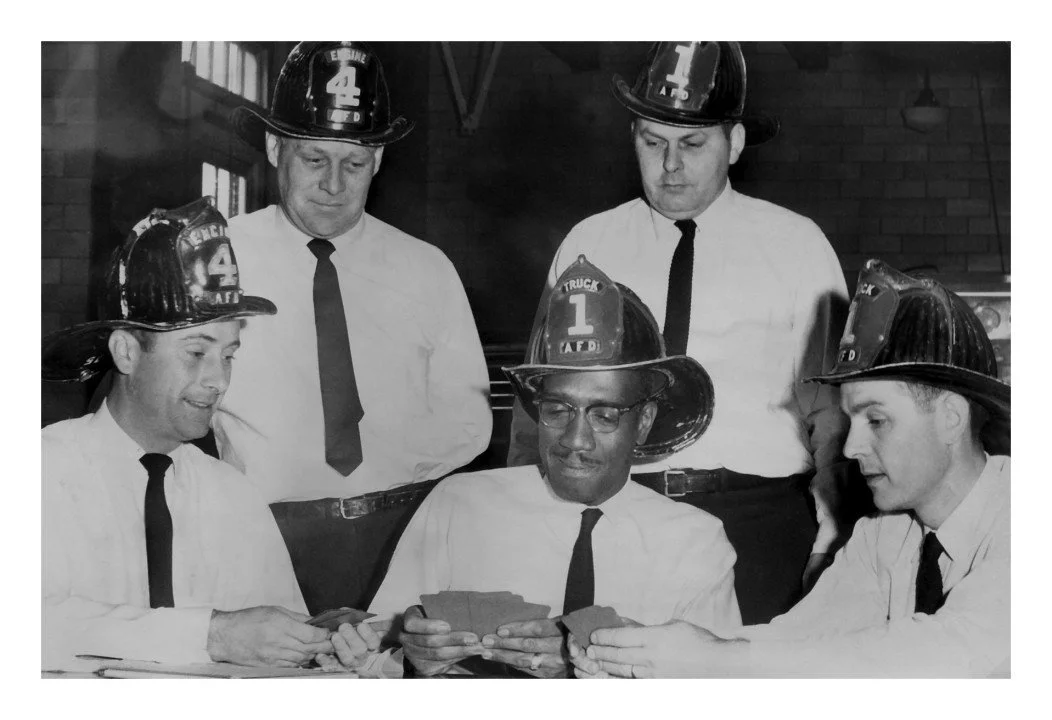
Our job requires so much, why do people think we do so little?
Brian Simpson, PhD, uses a surgeon who also repairs plumbing to show why suburban firefighter/paramedics do a job the public rarely sees. Fires have declined, but the risk of dying in one has not, and EMS, hazmat, technical rescue, and documentation have piled onto the workload. He calls on fire service leaders to explain that workload to the elected leaders who decide their resources.

If this is the best job in the world, why are we having trouble recruiting?
Brian Simpson, PhD, says his department’s hiring tests once drew nearly 100 applicants and now draw 15 to 20. He doubts pay is the cause and points instead to barriers that fire service leaders built, including years of self-funded certification and months of silence on hiring lists. He asks why departments recruit and treat new hires the way they do.

Our job comes with a second family, but too many of us forget to put our first family first.
Brian Simpson, PhD, credits his wife’s support for helping him prepare for two promotional exams, then argues that the job’s demands leave too many responders putting home second. He asks leaders what they are doing to protect family time and how they will help younger members do the same.