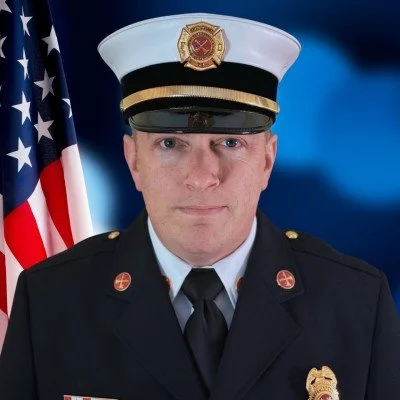
Even small traditions can help us remember the ones who came before.
Originally published on LinkedIn
Traditions run deep in the fire service. There are department-level traditions for everything, including how to handle new apparatus, retirements, and career milestones. There are smaller crew-level customs such as “assigned” seating at the kitchen table. When firefighters live and work together for years, they evolve a certain shorthand for communicating and a set of inside jokes.
Then there are the personal customs. Early in a firefighter’s career, they are expected to mold themselves to the organization. Young firefighters are taught why they have two ears and one mouth. However, it is not long until they are accepted into the culture of the department, their shift, and their crew. Once they feel accepted, their idiosyncrasies come out a little more. By the time firefighters have been on the job for decades and have advanced in the organization, their quirks are usually fully accepted and often the source of ongoing but harmless ridicule.
Five years ago, I was a new company officer. I worked at the headquarters station, which also houses the Battalion Chief. Our BC was named Todd Middendorf. Todd was a longtime veteran of the fire department and had worked his way up to his rank. I had known Todd for 12 years.
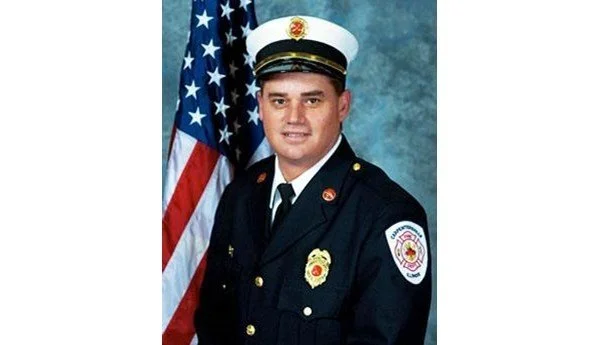
Todd had a wicked sense of humor and wit sharpened by decades of firehouse life. In his years in leadership, Todd ran his portions of the department very effectively. During a particularly tumultuous time at the department, Todd did his best to remain professional and brought levity to tough situations. When he was at ease he was funny and easy to be around. When he was stressed, he was still funny and easy to be around. I worked on several fires and major incidents with him, and he was an excellent incident commander.
Todd had a wicked sense of humor and wit sharpened by decades of firehouse life. In his years in leadership, Todd ran his portions of the department very effectively. During a particularly tumultuous time at the department, Todd did his best to remain professional and brought levity to tough situations. When he was at ease he was funny and easy to be around. When he was stressed, he was still funny and easy to be around. I worked on several fires and major incidents with him, and he was an excellent incident commander.
I’m just going to be honest; the guy was quirky. He had personal customs that were a constant source of conversation. He carried a portable radio to keep track of what his crews were doing, and it was always set way too loud. To this day whenever anyone leaves their radio on too loud, someone will say “geez Todd, is that loud enough for you?” If dinner was running late, he never complained, but he would emerge from his office and stroll around the kitchen, making small talk and grazing on whatever he found to tide him over. Late at night, he would fall asleep in front of the tv; this did not happen occasionally. It happened every single night. Someone invented a game called the “Todd Tijuana Channel Swap”. The object of the game was to wait until Todd had fallen asleep in front of the TV, change the channel to a Spanish language channel, and slowly increase the volume. The result would be Spanish language programming BLARING at our beloved BC while he slept soundly. It worked every time, and he never woke up until it was ridiculously loud.
It was not uncommon to find Todd eating handfuls of leftovers out of the refrigerator after a late-night call. Any time of the day or night, his hair was perfect, his shirt was tucked in, and his boots zipped.
Then there was his manner of speaking. Despite being a longtime resident of Northern Illinois, Todd had a bit of an accent and manner of speech that would make you guess he “wasn’t from around here”. And he had a million unique phrases. My personal favorite of his phrases was “very well”. On the scene of an incident, he would receive an update from dispatch or information from someone on the radio and respond with “very well” instead of the more commonly used “message received”. It was like something out of another time but it was just him being him, and I smiled every time I heard him say it. I started saying it to him on the radio as a not-so-subtle way of teasing him.
Todd was beginning to think about retirement and planning for life after the fire department. He had recently bought a cabin in Tennessee and was planning to use it as a vacation home for a while before retiring there with his wife Daisy and their son Tyler. Retiring to Tennessee was his dream, and he spoke of it often.
Five years ago this week, I was away at the National Fire Academy in Maryland. I got a call from the Chief of my department that Todd had been badly injured while at his cabin in Tennessee. The event was a freak and unpredictable accident. When attempting to clear a nest of bees from under his porch, he was stung repeatedly and went into anaphylactic shock. Todd died two days later.
I cut my trip short, skipped a family stopover in Ohio, and returned home. I wasn’t important to the story, and nobody asked me to come home early. I did it for me. All I wanted was to be around my friends and coworkers, particularly my crew. Work was really weird and quiet for a long time. We often spoke about Todd’s quirks and told stories about him.
Looking back, it is hard to believe it has been five years. Now I do the job Todd did. I’m the BC who grazes in the kitchen when dinner is running late and talks about retiring to a different state. Saying “very well” to acknowledge a message on the radio is another tradition I have kept. I don’t say it every time, but when I do, I smile because it makes me think of Todd. What started as good-natured ridicule has evolved into a periodic tip-of-the-hat to my former BC and friend.
Little traditions like this may seem trivial but they are part of what makes this job great. They serve as reminders of people who were here before us and give us a cultural framework and a sense of belonging.
What traditions or customs are unique to your department or crew? How did they come to be? How do they shape you and your organization?