The Unwritten Rules of Baseball and Firefighting
Originally published on LinkedIn
Fall is my favorite time of year. The weather is cooling, the leaves are changing, football is starting, and baseball's long, meandering season ends in an exciting month of playoffs. I like football, but I LOVE baseball.
Baseball has a LOT of rules. The official MLB rulebook runs close to 200 pages, and even if you’ve been watching the game for almost 40 years as I have, you’ll still run into obscure rules that surprise you. Despite all that written detail, many of the most important rules in baseball are unwritten.
Take the no-hitter. It's the bottom of the seventh, and the visitors still have a zero in the hits column. Nobody in the dugout says it. Nobody sits next to the pitcher. Nobody moves from wherever they were standing when the streak started. None of this is in those 200 pages, but every player on the field knows it anyway.
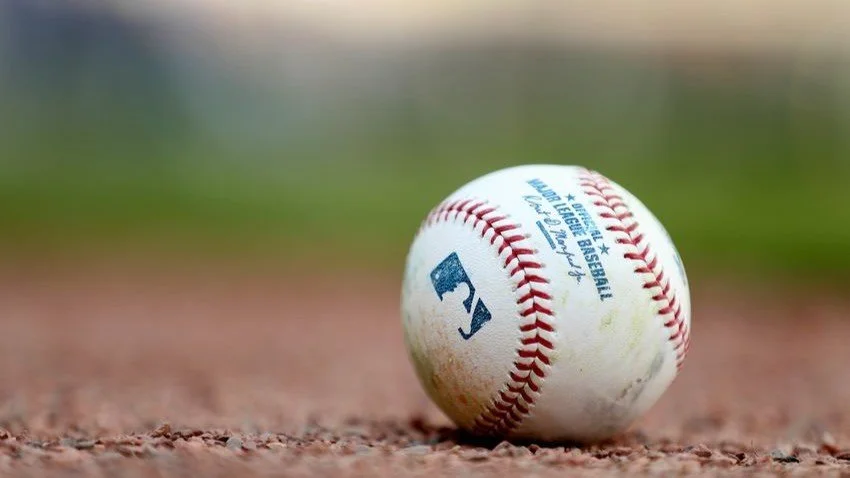
Baseball and the fire service have a lot in common. Both have plenty of written rules, and plenty of unwritten ones. Say "I hope tonight is quiet" at the kitchen table and watch the room turn on you. Nobody really believes the words control how many times we’ll be woken up, but they still don't say it.
Some of our unwritten rules are harmless. Some of them are among the best things about this job. And some of them are thought of as tradition, but are quietly doing damage.
The real SOPs
Every department has a book of written policies. Few of us have read the whole thing, and none of us actually learned how to be a firefighter from it. We learned from the unwritten rules: where to sit, when to talk, how to behave. A new member learns more about how a firehouse actually runs in the first 30 days than the SOPs will teach them over their whole career.
Baseball works the same way. Rookies learn the code from veterans in the clubhouse, not from the league office.
If the unwritten rules shape behavior more than the written ones do, then an officer who ignores them is not steering the crew's culture. They are just passengers, along for the ride.
Which rules should we keep?
Not every unwritten rule deserves the same deference. Some of baseball's rules are about respect, like don't run up the score, or don't show up an opponent. Others mostly exist to maintain the clubhouse pecking order.
Our unwritten rules are no different. The new member does the dishes, is the last to sit and the first to get up. Even though we get paid for 24 or 48 hours, everyone is expected to arrive early to relieve the off-going shift, and to have their gear on the rig and their SCBA checked before the shift even starts. Those rules teach humility, reliability, and the idea that the crew comes before the individual. Rules like these aren’t written down anywhere, but they make us better at the job, and some of them keep people alive.
Then there are the other unwritten rules. The ones that demand compliance with outdated norms, such as expecting new members to stay quiet and deferential even when something doesn’t make sense to them. Those rules don't make anyone better at anything. They are meant to keep people “in their place”.
Knowing if an unwritten rule deserves to be followed is simple. Does the rule make us better at the job, or does it only protect someone's position? Is the rule focused on what’s good for the community we serve, or on protecting someone’s pride and status?
The best unwritten rules that protect our proud culture of service deserve to stay, but it's time we let go of the ones that serve only to keep people in their place.
Enforcing the unwritten rules
In August 2020, Fernando Tatis Jr. broke one of baseball's oldest unwritten rules. With his Padres already leading the Rangers by seven runs in the eighth inning, he swung at a 3-0 pitch with the bases loaded and hit a grand slam. The Rangers' reply came on the very next pitch, a fastball behind Manny Machado. Machado didn't break the unwritten rule; instead, he paid for someone else's violation.
Baseball's enforcement system is crude, and it can hurt people, but it has one thing going for it. Everyone in the ballpark knew exactly what that pitch meant and exactly which unwritten rule it was enforcing.
After Tatis hit that grand slam, Rangers manager Chris Woodward said he didn't like the swing but admitted that his dislike didn't make it wrong. Woodward’s admission that his discomfort didn’t automatically prove Tatis was wrong is something to think about. When someone violates an unwritten rule, the violation may make us uncomfortable, but that doesn’t necessarily mean they’ve done anything wrong.
Our rule enforcement is quieter. A member breaks a rule and gets frozen out. Their reputation reaches the other shifts. Sometimes the person on the receiving end can't even name the rule they broke. You can't correct a mistake you can't identify, which means our version of enforcement often punishes without teaching anything.
Officers see this happening, and sometimes we let it happen without saying anything. When we do this, we are not staying neutral. Silence is a leadership decision.
Playing hurt
Baseball has always admired the player who stays in the lineup through an injury. We admire the same thing. Our written rules require members to report injuries promptly, but our unwritten rules often incentivize them to minimize reporting and play through pain. It’s even worse when the pain is psychological. The unwritten rules tell us we’re weak if we report the tweaked back or mention the calls that bother us. I know I’ve felt it, and I bet you have too at one time or another. Rules like these tell us to show up, do the job, and keep our problems to ourselves.
Unwritten rules like this probably once protected something. Playing through pain told the crew you could be counted on. But it has outlived that purpose. Today it keeps hurt people on the line and hides the injuries we can't see. This rule, which once protected the crew and now endangers its members, has to go, no matter how long it has been around.
The officer's job
Unwritten rules aren't going away, and they shouldn't. Some of them embody the best of this profession. But leaving them unwritten does not mean leaving them unexamined. The rules we normalize and preserve now will be the ones the next generation is expected to follow when we’re long gone, and many of us are passing rules down without even considering if they make sense anymore. Maybe it’s time to evaluate whether the rules we’re leaving behind are based on right and wrong or on something else.
We should be talking out loud about the rules, written and unwritten. We should evaluate each one to see whether it still serves a good purpose or is clinging to an outdated way of thinking and working. We should keep the ones that make us better and retire the ones that only preserve the pecking order. When someone breaks a rule, we need to have a hard conversation rather than freeze them out.
The next generation will inherit our unwritten rules, whether we examine them or not. Some of those rules will teach them to focus on the mission. Others will teach them to stay quiet, play hurt, and wait their turn. We get to decide which ones we hand down, but only if we're willing to say them out loud first.